
DESIGN & TECH ARTICLE | MAR 2, 2024 | WRITTEN BY MICHELLE BLOWERS
5 WAYS TO PROTECT YOUR MENTAL HEALTH FROM SOCIAL MEDIA’S INFLUENCE
Words: 876 | Reading Time: 3 Mins 30 Seconds
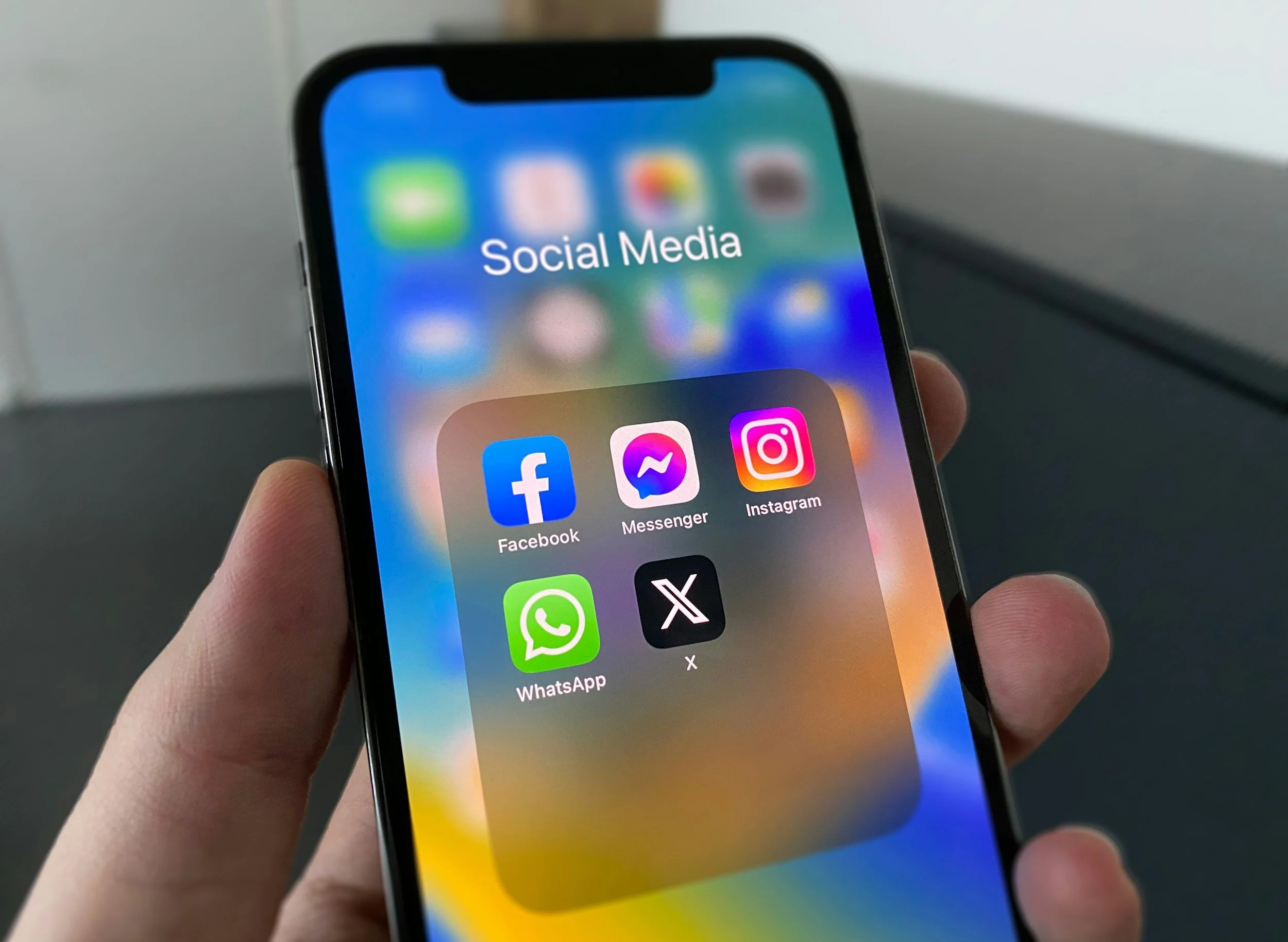
So, is it just me, or do most of us secretly want to go completely off-grid and disengage from our phones altogether? As a communicator and digital marketing professional, I am honestly out here thinking, “For such a time as this, huh, God?” With the pace of our world and the constant noise, the work we do online feels heavier than ever. The responsibility we carry as communicators is real.
Back in 2020, I learned quickly that God wanted me to use my digital skills to bless the Church, but I also learned that I had to steward my mental health with real boundaries if I was going to stay healthy.
2020 forced all of us to use digital platforms in ways we had never experienced before. Many people had to rely on them in a deeper and more consistent way than ever. Maybe even for the first time. That included Christian leaders and communicators who suddenly had to shift their entire ministry online almost overnight.
Now, four years later, it feels like we are collectively exhausted. Media fatigue is real. With targeted content, ads everywhere, and constant noise, it is getting harder to find a good reason to show up online at all. For some, it feels so intrusive that they have gone full send Into The Wild, and no one knows where they are anymore. I honestly relate to that feeling, although I do not think I will be moving back to Alaska. With God, who knows. Never say never.
Even for me, it has been hard to feel excited about social media the way I used to. It has become so commercialized that it feels like too much work to show up unless I have a mission or a purpose behind every post. Because of that, a lot of us have slipped into passive scrolling and silent story-watching. We are numb. Disengaged and disenchanted.
And while many people are still out here grinding and making things happen, which I respect deeply, the digital landscape can feel overwhelming. You all make it look easy.
Confession: Social media has been my job, and man, there have been days when I absolutely did not want to go to work. Haha, for real.
Maybe this is where you are at too.
With constant connection, people start to feel like they have unlimited access to you. It happens quietly, but it creeps in. That is why we have to create boundaries if we want healthier and more authentic connection and influence.
Here are five ways to protect your mental health from social media’s influence:
1. Set Boundaries for Social Media Usage
Time Limits: Establish specific time limits for daily social media use or communication in general. Unless it is an emergency or my immediate family, I try not to respond or engage before 9 or after 9.
Avoid First Thing in the Morning: Start the day without social media, focusing on healthier routines (e.g., prayer, exercise, reading).
No Phones Before Bed: Create a habit of turning off social media 1 to 2 hours before bedtime to promote better sleep. I also use red light therapy to counter daily blue light effects.
Lock Yourself Out: Buy a phone safe or software to help you enforce your boundaries. My sister recommended Brick and I can’t wait to try it.
2. Curate Your Feed
Follow Positive, Uplifting Accounts: Focus on content that aligns with your values and nurtures personal growth.
Unfollow Toxic or Negative Accounts: Regularly audit your feed and unfollow accounts that trigger negative emotions, stress, or comparison.
Mute or Block: Do not hesitate to mute or block accounts that consistently harm your mental health, especially if it’s not someone you know. As far as I am concerned, social media has encouraged gossip culture, and we are not here for that.
3. Be Mindful of Comparisons
Recognize the Highlight Reel: Understand that social media often shows a curated, idealized version of others' lives. We know by now that it is a small glimpse into someone else's world.
Practice Gratitude: Counter comparison by focusing on gratitude for your own life and achievements. You can also find gratitude for others and celebrate their wins.
Limit Exposure to Triggers: Be conscious of the types of posts or content that lead to self-comparison and limit exposure to them. Personally, I have had to remove certain people not because they were toxic, but simply because I found myself coveting.
4. Engage with Intentionality
Purposeful Use: Have clear reasons for using social media (e.g., staying in touch with friends, promoting your work, encouraging others).
Engage in Positive Conversations: Prioritize connecting with supportive communities and engaging in constructive discussions rather than superficial interactions. It is social media, after all. Engagement is required.
Take Regular Breaks: Incorporate regular social media detoxes to recalibrate and regain control over your time and focus. Many people have adopted social sabbaths as a practice to prioritize authentic in-person connectedness and find true rest, like Hannah Brencher’s Unplugged Hours Tracker. You can also look into John Mark Comer's Practicing Sabbath for a deeper, biblical approach to rest.
5. Seek Balance and Offline Connections
Invest in Real-Life Relationships: Focus on face-to-face interactions and building strong, authentic relationships offline. Life is meant to be lived together.
Engage in Offline Hobbies: Cultivate hobbies and activities that do not involve screens, such as reading, hiking, journaling, or volunteering.
Prioritize Mental Health: If social media feels overwhelming, give yourself permission to step back. You do not have to be available online, and you definitely do not have to show up on social media if it is hurting your peace. Choose what supports your well-being, create stronger boundaries if you need them, and lean into real-life practices that help you feel grounded.
Since social media is not going away anytime soon, we get to learn how to adapt and prioritize what actually matters. Social media itself is not bad. It is simply a tool. It is up to us as users to steward it in a way that protects our mental and spiritual health.
And one more thing. Just because you know people does not mean you need to follow them or allow them to follow you. Social media has reduced relationships and given us easy excuses for inauthenticity. Watching someone online can trick us into feeling connected, but it is not the same as real presence or real relationship. You are allowed to protect your peace.
Recently, I shared some of the significant benefits of social media, and you can read about those here:
Finding Your Influence Through Social Media
How Storytelling Techniques Differ and Why Both Matter for Christian Communicators